


Jewish Ritual Objects: A Guide to Judaica for Shabbat, Weddings, and Synagogue Life

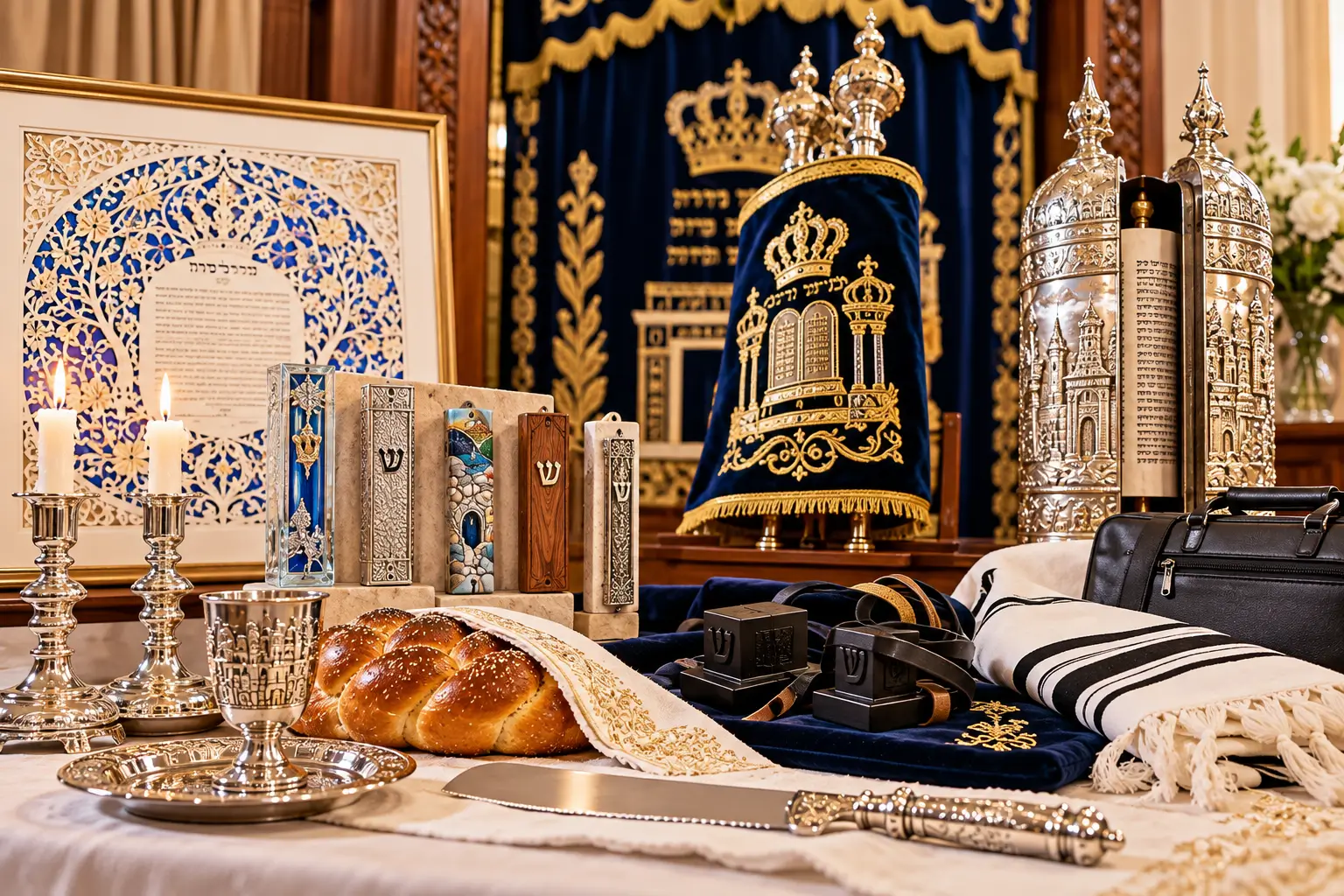
Jewish ritual objects are an important part of religious practice, family traditions, and communal life. From the items used to welcome Shabbat to the ornaments that accompany a Sefer Torah, each object has a particular purpose and a place within Jewish tradition. Choosing Judaica involves more than appearance: it also means understanding how an item is used, the materials from which it is made, and the customs it supports.
At SeferTorah.Net, Jewish families, synagogue leaders, collectors, and communities can explore Judaica for different occasions and needs. These include Shabbat table accessories, wedding-related items, Mezuzah cases, Torah scroll accessories, Tefillin, and synagogue furnishings.
This guide introduces several important categories of Jewish ritual objects and explains what to consider when selecting them. Whether you are preparing a home for Shabbat, furnishing a synagogue, purchasing a wedding gift, or exploring traditional Torah accessories, understanding these categories can help you make an informed choice.
1. Shabbat Table Accessories: Preparing for a Meaningful Shabbat
Shabbat is a central part of Jewish life, bringing together prayer, family, meals, and rest. The objects used at the Shabbat table help create an environment that reflects the occasion and the traditions of the household.
Common Judaica for the Shabbat table includes Kiddush cups, challah knives, candlesticks, trays, and other table accessories. When selecting these items, consider how frequently they will be used, how easily they can be maintained, and whether their design complements your existing tableware.
Choosing a Challah Knife
A challah knife is used to slice challah served during Shabbat and holiday meals. Design, grip, blade construction, and ease of cleaning are practical considerations when choosing one.
Explore the Shabbat Table Accessories collection to discover items associated with the Shabbat table. For a more focused selection, browse the Challah Knives category.
If you prefer a specific product, the Stainless Steel Challah Bread Knife for Shabbat and Holidays is a relevant option to consider. Review its product details to understand its construction and care requirements before purchasing.
When buying Shabbat accessories, think about the needs of your household, the number of people you regularly host, and the style of Judaica you want to maintain over time.
2. Wedding Judaica: Objects That Celebrate Jewish Traditions
Jewish weddings bring together religious commitments, family heritage, and communal celebration. Wedding-related Judaica can include decorative documents, ceremonial accessories, and meaningful gifts selected by the couple or their families.
A Ketubah is the traditional Jewish marriage document. Its wording, preparation, and use have a distinct place in Jewish marriage practice. Decorative Ketubot may also become treasured family keepsakes, displayed in the home after the wedding.
Paper-Cut Art and Wedding Accessories
Paper-cutting has a long history in Jewish decorative arts. Intricate patterns may incorporate Hebrew lettering, traditional motifs, and artistic representations associated with Jewish life. Such works can serve as decorative art, although the purpose and religious status of an individual piece depend on its content and use.
Explore the Paper Cuts collection for Jewish paper-cut artwork. For items associated more directly with wedding preparations and celebrations, browse the Wedding Accessories category.
When choosing wedding Judaica, consider whether the item will be used during the ceremony, displayed in the home, or presented as a gift. If purchasing a Ketubah or a related ceremonial item, confirm the requirements with the couple, officiating rabbi, or supplier rather than assuming that every decorative version is suitable for every religious purpose.
3. Mezuzah Cases: Combining Protection, Materials, and Design
A Mezuzah case houses a Mezuzah scroll and protects it from its surroundings. The scroll contains passages from the Torah and has specific requirements concerning its writing and kosher status. The case is a separate object: its design and material do not determine whether the scroll itself is kosher.
When choosing a case, consider the location where it will be installed, exposure to weather, mounting requirements, and the dimensions needed for the scroll and its protective housing.
Exploring Different Mezuzah Case Materials
SeferTorah.Net offers several case categories, allowing shoppers to explore different materials and styles.
- Glass Mezuzah Cases: Consider the design, fragility, and suitability of glass for the intended location.
- Metal Mezuzah Cases: Compare the construction, finish, and mounting method.
- Plastic and Acrylic Mezuzah Cases: Review the material and manufacturer guidance for the intended environment.
- Silver Mezuzah Cases: Explore silver-finish designs and consider their maintenance requirements.
- Stone and Ceramic Mezuzah Cases: Consider their decorative appearance, dimensions, and installation needs.
- Wood Mezuzah Cases: Explore natural-material designs and check whether the finish is appropriate for the installation location.
The right case depends on both personal preference and practical circumstances. An outdoor installation may require different weather protection from an indoor doorway. Always follow the product’s instructions for mounting and environmental suitability.
Remember that the case and the parchment serve different purposes. If you need a kosher Mezuzah, the scroll should be obtained from a reliable source and assessed according to the applicable halachic requirements.
4. Torah Scrolls and Traditional Writing Customs
A Sefer Torah is a handwritten scroll containing the Five Books of Moses. Its preparation follows detailed halachic requirements concerning the parchment, writing materials, letters, and work of a qualified Sofer STa”M.
Jewish communities also preserve different traditional writing styles. These traditions may influence the appearance of the Hebrew letters in a Torah scroll, Tefillin, or Mezuzah.
Understanding Ketav Beit Yosef
Ketav Beit Yosef is a recognized script tradition associated with Ashkenazic STa”M writing. The appropriate script for a particular religious item depends on the relevant halachic tradition and the community’s accepted practice.
Explore the Ketav Beit Yosef Torah Scrolls category to learn about the available selection. When commissioning or purchasing a Torah scroll, confirm the script, community requirements, documentation, and inspection arrangements with a knowledgeable supplier or rabbinic authority.
Sephardic Torah Cases and Tiks
In many Sephardic communities, the Sefer Torah is housed in a rigid case commonly known as a Tik. These cases differ in construction and presentation from the textile mantle and wooden rollers commonly seen in other communities.
SeferTorah.Net offers 3D Torah Cases and Haftarah Cases. When selecting a case, review its dimensions, intended use, and compatibility with the scroll or text it is designed to hold.
The Haftarah is a selection from the Prophets read on particular Shabbatot and festivals according to Jewish custom. A case intended for Haftarah use should be selected according to the intended text and the community’s needs.
5. Synagogue Judaica: Torah Mantles and Parochets
Synagogue furnishings contribute to the setting in which prayer, Torah reading, and communal observance take place. Their selection often reflects local minhag, architectural style, communal identity, and the practical requirements of the synagogue.
Torah Mantles
A Torah mantle is a textile covering used for a Sefer Torah in communities that follow this practice. Mantles may feature embroidery, decorative borders, Hebrew inscriptions, and designs selected for a particular synagogue or dedication.
Explore the Hand-Embroidered Torah Mantles collection for embroidered designs, or browse the Traditional Torah Mantles category for traditional styles.
When selecting a mantle, confirm the measurements and construction needed for the Torah scroll. Consider how the fabric and embellishments will hold up under regular use, storage, and cleaning.
Parochets: Holy Ark Curtains
A Parochet is the curtain associated with the Aron Kodesh, the holy ark in which Torah scrolls are kept in many synagogues. Its design may incorporate embroidery, Hebrew inscriptions, and motifs chosen to reflect the synagogue’s traditions.
Browse the Parochets and Holy Ark Curtains collection to explore options for synagogue settings.
Before purchasing a Parochet, measure the intended space carefully and check the mounting arrangement. A synagogue’s ark may have unique dimensions, so appearance alone should not determine the final choice.
6. Tefillin and the Importance of STa”M Standards
Tefillin are worn during weekday morning prayer by observant Jewish men according to Jewish law and custom. They consist of black leather housings called batim, containing handwritten parchment passages, together with leather straps known as retzuot.
The scrolls inside Tefillin must meet halachic requirements. The quality and kosher status of the parchment cannot be determined from the exterior appearance of the leather housings alone.
Exploring Arizal Tefillin Parchments
Arizal script is associated with the writing tradition of Rabbi Isaac Luria and is used in particular communities. The appropriate script and practice should be confirmed with a knowledgeable rabbi or Sofer, especially when purchasing Tefillin for someone whose family or community follows a specific tradition.
Explore the Arizal Tefillin Parchments category for the relevant selection. Buyers should verify the intended use, script tradition, inspection details, and any applicable certification before making a decision.
Proper care also matters after purchase. Tefillin should be stored in a suitable protective case, kept away from moisture and excessive heat, and inspected if damage or deterioration is suspected. Questions about their kosher status should be referred to a qualified authority.
7. Judaica for Travel, Storage, and Everyday Use
Judaica is not limited to ceremonial objects used in a synagogue or during a specific occasion. Protective bags and accessories help people carry and store ritual garments and religious items in daily life.
A Tallit, or prayer shawl, is often carried with its own bag, particularly when used regularly for prayer or when traveling. A suitable bag helps keep the garment organized and protects it from ordinary wear.
For a practical storage option, explore the Deluxe Leatherette Large Tallit Tote Bag. Before purchasing, check the dimensions and confirm that the bag can accommodate the Tallit and any additional items you intend to carry.
When selecting storage accessories, consider durability, ease of carrying, available space, and how frequently the item will be transported. These practical details can make everyday religious routines more convenient.
8. Discover New Judaica at SeferTorah.Net
Choosing Judaica can involve comparing materials, designs, intended uses, and traditional requirements. Whether you are furnishing a Jewish home, preparing for a wedding, purchasing synagogue accessories, or looking for a meaningful gift, a well-organized product selection makes it easier to explore relevant options.
Visit the New Arrivals collection to see newly listed products. You can also browse the wider SeferTorah.Net catalog to discover items for Shabbat, weddings, Mezuzah installations, Torah scrolls, Tefillin, and synagogue use.
Before making a purchase, review the product description, dimensions, materials, care instructions, and intended use. For religious items with specific halachic requirements, seek clarification from the supplier or a qualified rabbinic authority when needed.
Frequently Asked Questions About Jewish Ritual Objects
1. What are Jewish ritual objects?
Jewish ritual objects are items used in religious observance, prayer, holidays, and communal life. Examples include Tefillin, Mezuzah scrolls and cases, Kiddush cups, Torah ornaments, Torah mantles, and synagogue furnishings. Their purposes and requirements differ, so it is important to understand how each item is intended to be used.
2. What should I consider when buying Judaica online?
Review the product’s materials, dimensions, intended use, care instructions, and relevant certifications or documentation. For objects with halachic requirements, confirm that the item meets the needs of your community. For decorative accessories, consider durability, maintenance, and whether the design suits the intended setting.
3. Does a Mezuzah case need to be made from a particular material?
A Mezuzah case can be made from various materials, including metal, wood, glass, acrylic, stone, and silver. The case’s material does not establish the kosher status of the scroll inside. Select a case appropriate for the installation location and make sure the Mezuzah parchment itself meets the relevant halachic requirements.
4. What is the difference between a Torah mantle and a Torah case?
A Torah mantle is a textile covering used in communities that follow this custom. A Torah case or Tik is a rigid housing used in many Sephardic traditions. The appropriate format depends on the community’s practice and the scroll’s intended arrangement.
5. What is Ketav Beit Yosef?
Ketav Beit Yosef is a traditional Hebrew script used in STa”M writing, including Torah scrolls, Tefillin, and Mezuzot. It is associated with particular Jewish writing traditions. Buyers should confirm the appropriate script for their community and the intended religious item.
6. What should I know before buying Tefillin parchment?
Tefillin parchment contains handwritten passages that must satisfy halachic requirements. Consider the relevant script tradition, the source of the parchment, and the available inspection information. Consult a knowledgeable Sofer or rabbinic authority if you need guidance about compatibility with your community’s practice.
7. How should I choose a Torah mantle for a synagogue?
Check the dimensions of the Torah scroll and the requirements of the synagogue’s existing arrangement. Consider the fabric, embroidery, construction, and care instructions. If the mantle is being purchased for a dedication or communal occasion, coordinate the design and specifications with the synagogue’s leadership.
8. Are Judaica items suitable as wedding gifts?
Many Judaica items can make meaningful wedding gifts, including decorative Jewish art and accessories for the Shabbat table. Choose an item according to the couple’s needs and traditions. If the gift is intended for a specific religious ceremony, confirm its suitability with the couple or their officiating rabbi.
Conclusion
Jewish ritual objects connect religious practice, family life, craftsmanship, and communal tradition. From Shabbat table accessories and wedding Judaica to Mezuzah cases, Tefillin, Torah scroll accessories, and synagogue furnishings, each category serves a different purpose.
Understanding the distinctions between these objects helps buyers select items that suit their needs while respecting Jewish customs. Material, construction, dimensions, care requirements, and halachic suitability should all be considered before purchasing.
SeferTorah.Net brings together a range of Judaica categories for Jewish homes, families, and communities. Explore the relevant collections, compare available products, and seek expert guidance when a purchase involves specific religious requirements. Thoughtful selection can help ensure that the Judaica you choose is appropriate for its intended use and valued for years to come.