


Mezuzahs


Mezuzahs
Kosher Mezuzahs — Mezuzah Scrolls, Cases & Halachic Guidance
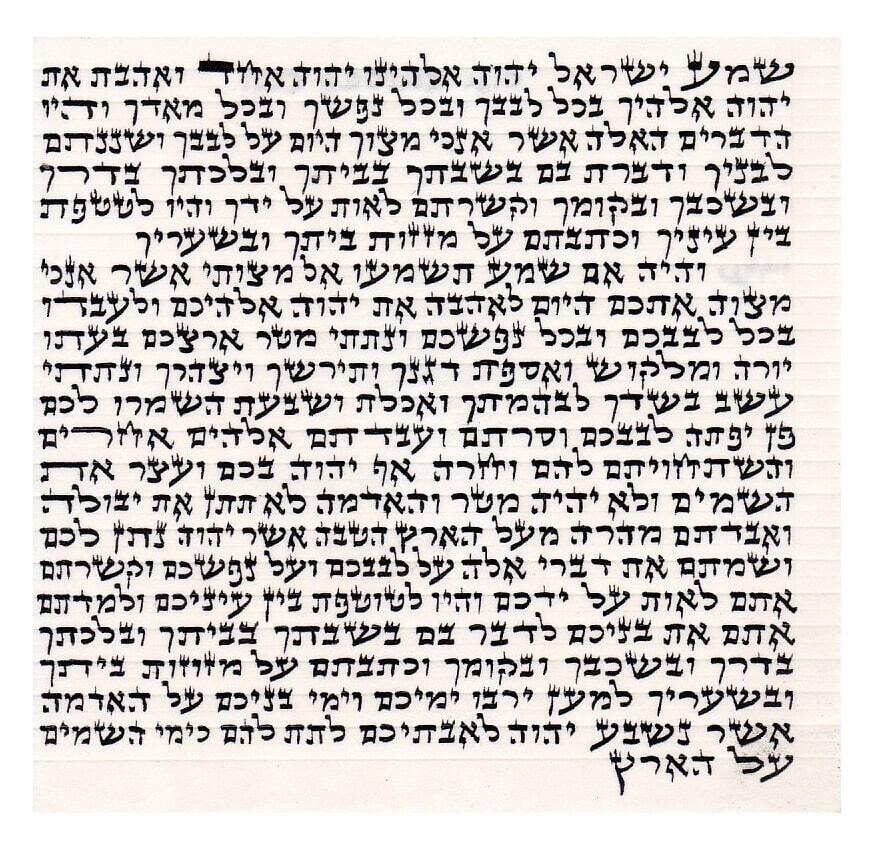
The mitzvah of Mezuzah occupies a unique place in Jewish life. More than a decorative object affixed to a doorway, the Mezuzah serves as a constant declaration of emunah, sanctifying the Jewish home and marking its entrance with words of Torah. The kosher status of a Mezuzah depends not on the outer case, but on the handwritten klaf within — prepared according to the exacting halachic requirements of STa”M and written Lishmah by a qualified sofer.
At SeferTorah.Net, we offer Mezuzah Scrolls and Mezuzah Cases selected with careful attention to halachic integrity, durability, and the minhagim of observant Jewish communities. Whether purchasing Mezuzahs for a new home, replacing older scrolls, or selecting Mezuzah Cases appropriate for indoor or outdoor use, our collection is assembled to meet the standards expected by knowledgeable buyers.
Handwritten Mezuzah Scrolls — The Foundation of a Kosher Mezuzah
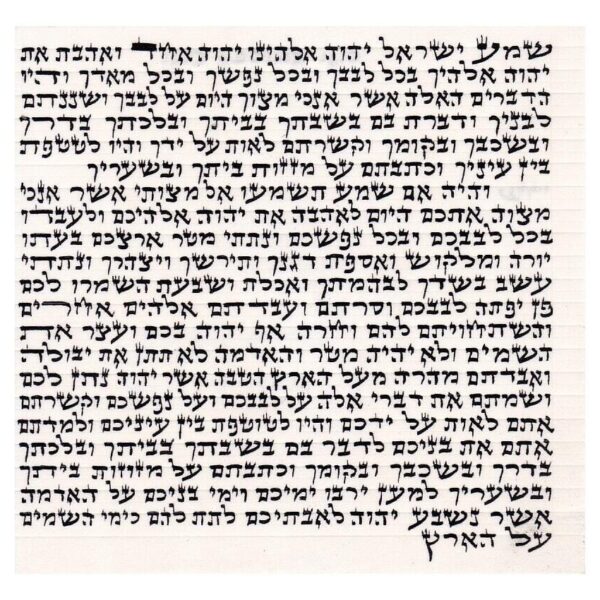
A kosher Mezuzah Scroll contains the two Torah paragraphs of Shema Yisrael and Vehaya Im Shamoa, handwritten on klaf by a trained sofer STa”M. Every letter must be written in proper sequence and formed according to halacha. Missing, cracked, misshapen or touching letters may invalidate the Mezuzah entirely.
Our Mezuzah Scrolls are written by sofrim recognized for their yirat shamayim, precision, and fluency in the laws of STa”M. We offer scrolls in major ksav traditions, including Ksav Beis Yosef, Ksav Ari, and Ketav Sefaradi, allowing buyers to select a Mezuzah appropriate to their family or community minhag.
As with all sacred STa”M writing, the quality of the klaf, ink, spacing, and bedikah process directly affects the long-term kosher status of the Mezuzah. Many observant families prefer Mezuzah Scrolls that have undergone both careful hand-checking and bedikah b’machshev to verify letter integrity and spacing consistency.
Mezuzah Cases — Protection, Durability & Kavod HaMitzvah
While the klaf determines the halachic validity of the Mezuzah, the Mezuzah Case plays an important role in protecting the parchment from moisture, sunlight, impact, and environmental wear. Different environments require different materials and construction standards.
Indoor Mezuzah Cases are often selected for their dignity and aesthetic compatibility with the home, while outdoor Mezuzah Cases must withstand rain, humidity, and temperature fluctuation without compromising the parchment within. Buyers frequently choose between acrylic, metal, wood, resin, glass, and weather-resistant protective housings depending on placement and community custom.
Many Jewish families also view the Mezuzah Case as an expression of kavod mitzvah — honoring the mitzvah through careful presentation and preservation.
Community Traditions and Mezuzah Placement
Although the fundamental mitzvah of Mezuzah is universal across Jewish communities, practical customs may vary between Ashkenazic, Sephardic, Chabad, and Hasidic traditions. Differences may include placement angle, bracha customs, doorway requirements, and preferred ksav traditions for the scroll itself.
For this reason, many buyers consult their Rav regarding Mezuzah placement, sizing, and the appropriate ksav for their household minhag. Our collection is assembled to serve the practical and halachic needs of diverse Jewish communities worldwide.
Inspection, Maintenance & Replacement
Mezuzah Scrolls should not be viewed as permanent installations requiring no further attention. Exposure to heat, humidity, direct sunlight, and age may gradually affect the condition of the klaf and lettering. Most authorities recommend periodic bedikah by a qualified sofer to confirm the Mezuzah remains kosher.
Particular attention should be paid to outdoor Mezuzahs, which are more vulnerable to environmental damage. Replacing cracked cases, deteriorated seals, or worn parchment promptly helps preserve both the physical integrity and halachic standing of the Mezuzah.
Frequently Asked Questions
What makes a Mezuzah kosher?
A kosher Mezuzah requires a handwritten klaf prepared by a qualified sofer STa”M according to halachic requirements. Printed scrolls are not kosher for mitzvah use.
What is written inside a Mezuzah Scroll?
A Mezuzah Scroll contains the Torah paragraphs of Shema Yisrael and Vehaya Im Shamoa, handwritten on parchment with kosher ink and proper lishmah intent.
What is the difference between Ksav Beis Yosef, Ksav Ari, and Ketav Sefaradi?
These are distinct STa”M script traditions associated with Ashkenazic, Hasidic/Chabad, and Sephardic communities. The appropriate ksav is generally determined by family or community minhag.
Do Mezuzah Scrolls require checking?
Yes. Mezuzahs should undergo periodic bedikah by a qualified sofer to ensure letters have not cracked, faded, or become invalid due to age or environmental exposure. Many times, mezuzot are found that were not kosher from the very begining.
Are outdoor Mezuzah Cases different from indoor cases?
Yes. Outdoor Mezuzah Cases are typically designed with additional weather resistance to protect the klaf from rain, humidity, and temperature fluctuation.
Can Mezuzah Scrolls be replaced without replacing the case?
In many cases, yes. If the Mezuzah Case remains structurally sound and properly sized, the parchment may be replaced independently when necessary.
Which Mezuzah tradition is appropriate for my home?
Most families follow the minhag of their community or consult their Rav regarding ksav tradition, placement customs, and Mezuzah sizing appropriate for their household. In general Western European communities use Ketav Bet Yosef, Eastern Europeans prefer Ketav Arizal while Sepharadim and Edot Hamizrach utilize Ketav Sepharadi.