Mayim Acharonim — Honoring a Time-Honored Jewish Practice
Mayim Acharonim refers to the ritual washing of the fingertips following a bread meal, a practice rooted in the words of Chazal and preserved across generations as an expression of concluding the meal and preparation for Birkat Hamazon. While customs differ among Ashkenazic, Sephardic, Chabad, and Hasidic communities regarding its observance, many continue to perform this mitzvah with care, viewing it as an opportunity for hidur mitzvah and kavod for Jewish tradition.
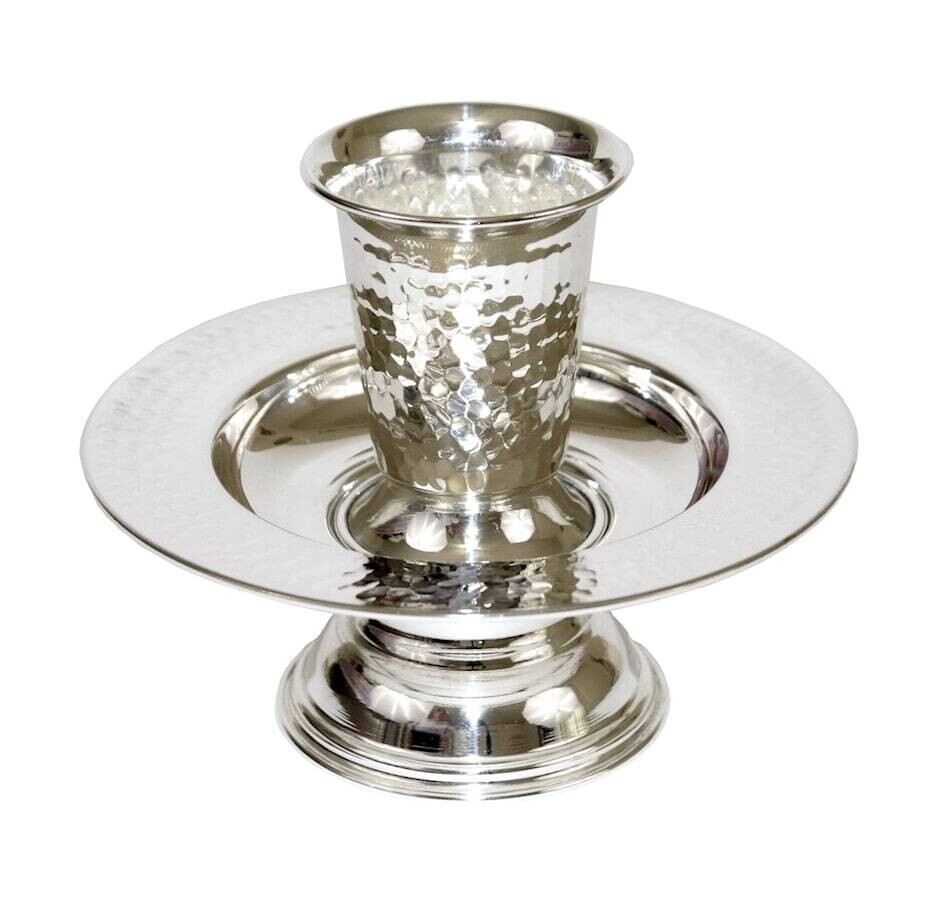
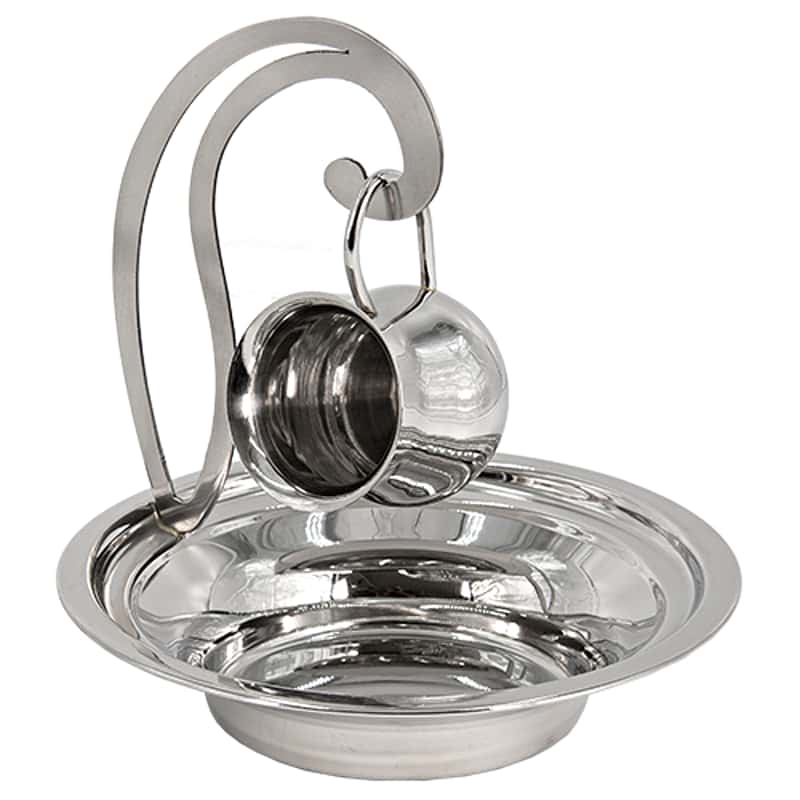
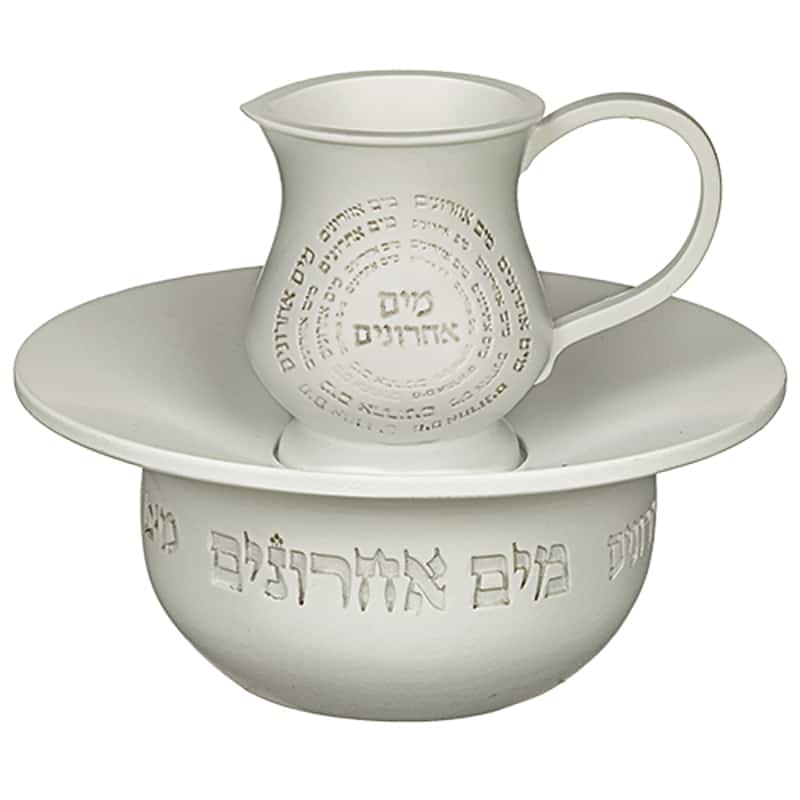
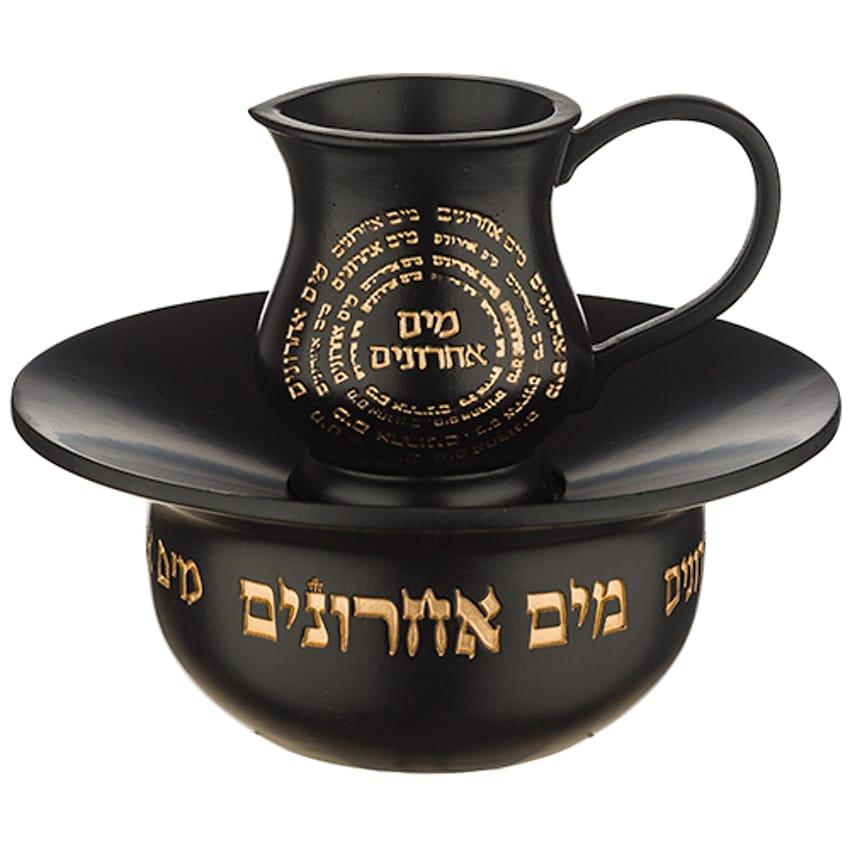
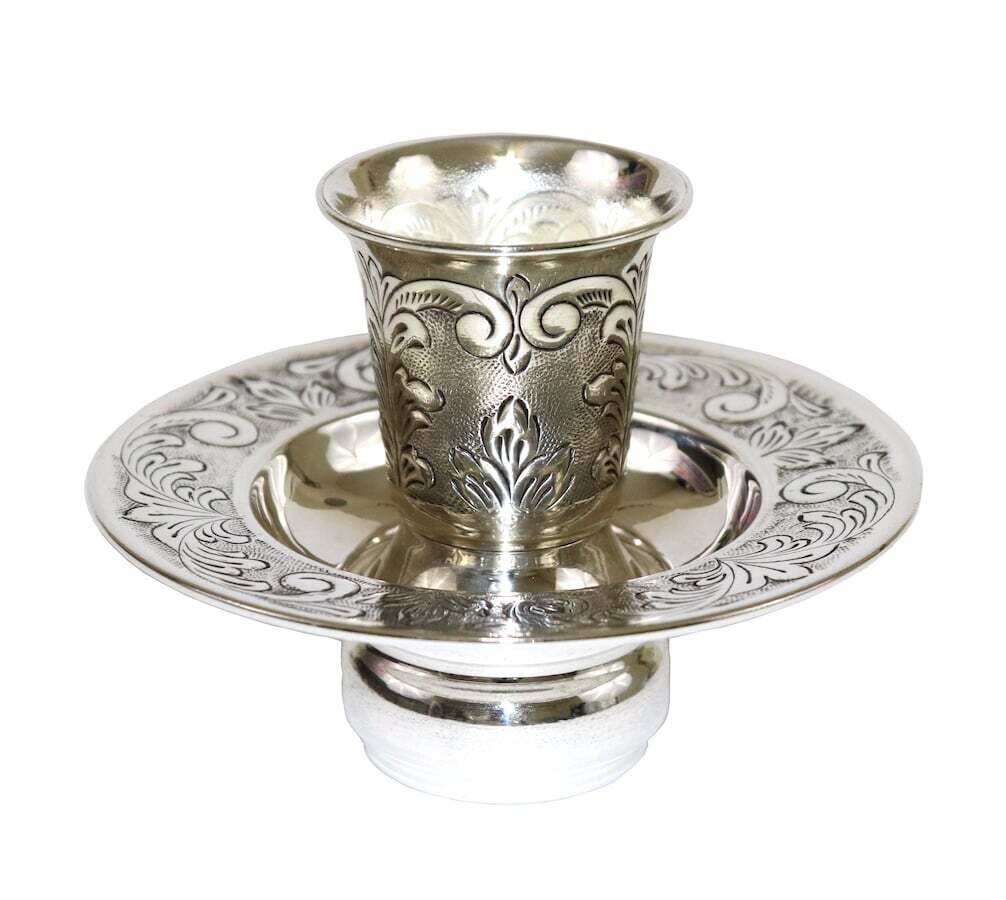
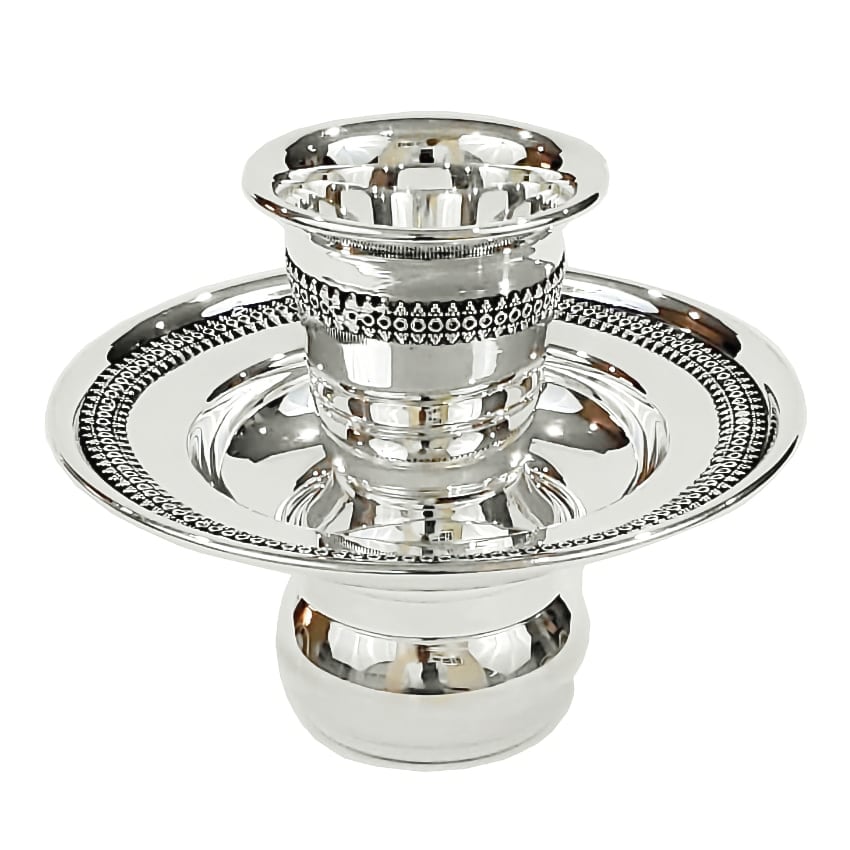
Our Mayim Acharonim collection brings together vessels and matching bowls crafted for this unique purpose, reflecting both traditional Judaica artistry and contemporary design. Whether selecting a Large Silver Filigree Mayim Acharonim, a Large Mayim Acharonim – Silver Rikua, a Modern Black Polyresin Mayim Acharonim Set, or a Large Stainless Steel Mayim Acharonim, each piece serves the practical requirements of the ritual while enhancing the dignity of the Shabbat or Yom Tov table.
Understanding Materials and Craftsmanship
The material and construction of a Mayim Acharonim set often reflect personal preference, family custom, and aesthetic tradition. Silver filigree and hand-chased designs preserve centuries-old decorative techniques associated with classic Judaica craftsmanship, while hammered and rikua styles highlight the skill of the artisan through textured metalwork. Modern polyresin collections provide a contemporary interpretation suited to today's Jewish homes, and stainless steel models offer durability and practical affordability for frequent communal use.
Many families choose a dedicated Mayim Acharonim vessel not simply for functionality but as part of honoring the mitzvah through beautiful ritual objects that become part of the rhythm of Jewish home life.
Choosing the Right Mayim Acharonim Set
Selecting a Mayim Acharonim vessel involves more than appearance alone. Buyers often consider capacity, stability, ease of pouring, matching bowl design, material longevity, and how the piece complements existing Shabbat and Yom Tov table settings. Larger models are frequently preferred for family meals and communal gatherings, while smaller handcrafted designs offer an elegant solution for individual or intimate settings.
Whether your preference follows traditional silver artistry or contemporary modern designs, the enduring purpose remains the same: facilitating an established Jewish practice with dignity and respect.
Guidance for Homes, Synagogues, and Gift Giving
Mayim Acharonim sets make meaningful additions to Jewish homes, synagogues, yeshivot, hospitality centers, and special occasions. They are often selected as thoughtful gifts for weddings, housewarmings, and families establishing a new Jewish home, reflecting a commitment to preserving cherished minhagim while enriching the beauty of the Shabbat table.
Frequently Asked Questions
What is Mayim Acharonim?
Mayim Acharonim is the ritual washing of the fingertips performed after eating bread and before reciting Birkat Hamazon. The practice is discussed in halachic literature and continues to be observed in many Jewish communities.
Is Mayim Acharonim observed by all Jewish communities?
Customs vary among Ashkenazic, Sephardic, Chabad, and Hasidic communities. Many continue the practice regularly, while others follow different minhagim or reserve it for Shabbat and festive Yom Tov meals.
What materials are commonly used for Mayim Acharonim sets?
Traditional sets are crafted in silver and hand-worked metal finishes, while modern collections include stainless steel and polyresin designs that combine practicality with contemporary aesthetics.
Why are dedicated Mayim Acharonim vessels used?
A designated vessel provides an orderly and respectful means of performing the ritual, reflecting kavod for the mitzvah and preserving the longstanding customs associated with Jewish dining.
Are Mayim Acharonim sets suitable as Judaica gifts?
Yes. They are frequently chosen as meaningful gifts for weddings, new homes, rabbis, synagogue dedications, and families seeking to strengthen traditional Jewish practice through beautiful and functional Judaica.