


Caring for Silver Torah Ornaments: A Guide to Preservation and Maintenance

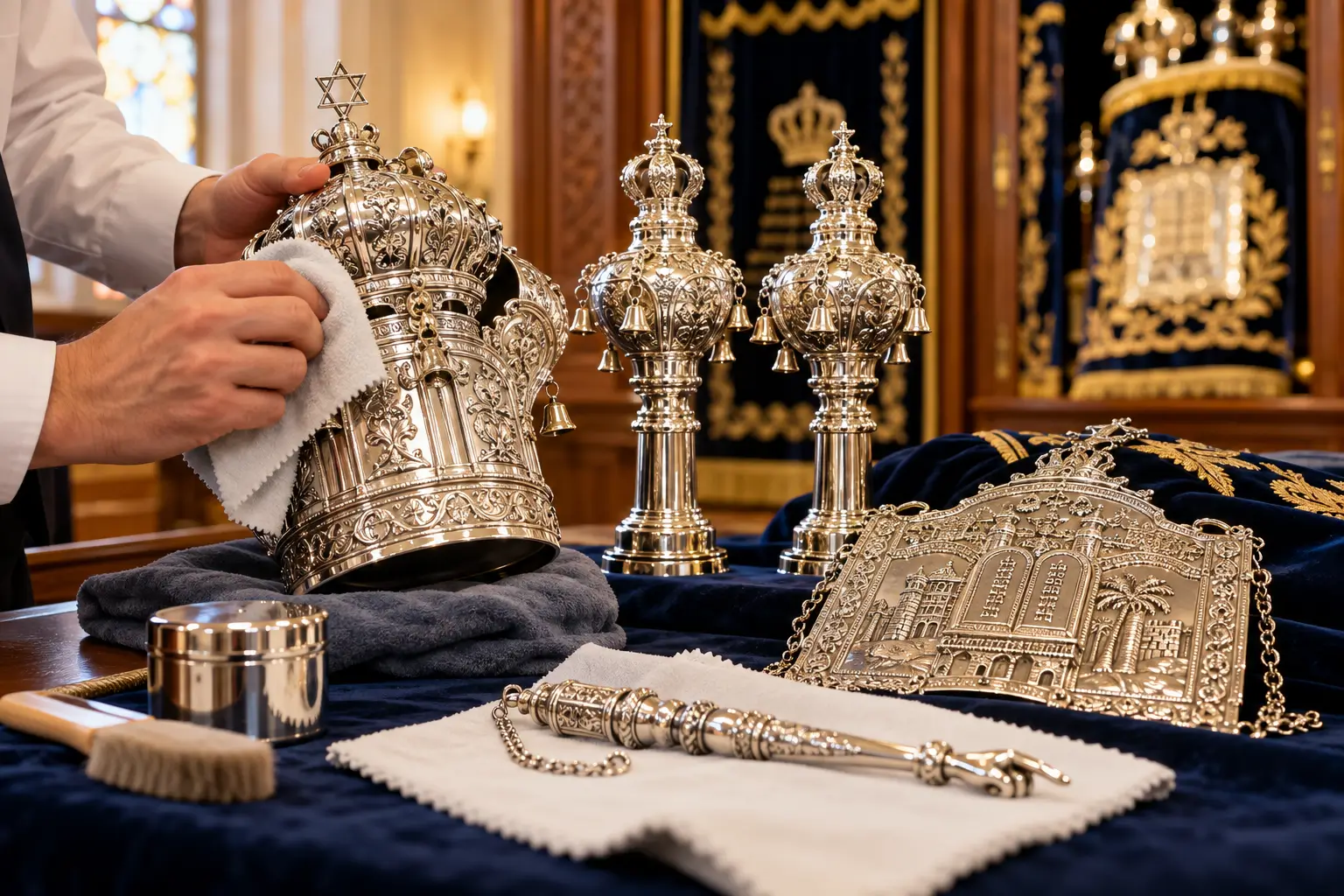
Silver Torah ornaments are more than decorative accessories. Torah crowns, Rimonim, breastplates, and Yads contribute to the dignity of the Sefer Torah and reflect the craftsmanship, generosity, and traditions of the communities that use them. Found in synagogues and Jewish collections around the world, these objects often carry religious, historical, and personal significance.
Properly caring for silver Torah ornaments requires an understanding of their materials, construction, finishes, and intended use. An ornament made from sterling silver may need different treatment from one that is silver-plated, silver-dipped, or decorated with gold accents and gemstones. A cleaning method that works for one piece can damage another.
This guide explains how to maintain silver Torah ornaments, reduce tarnishing, protect delicate craftsmanship, and recognize when professional conservation is preferable to home cleaning.
Why Caring for Silver Torah Ornaments Matters
Torah ornaments are associated with the Sefer Torah, one of the most sacred objects in Jewish communal life. Their use reflects the principle of Kavod HaTorah, honoring the Torah, and the broader concept of Hidur Mitzvah, enhancing the performance of a mitzvah through appropriate beauty and care.
Different communities have developed distinctive traditions of Torah ornamentation. Depending on local custom, a Sefer Torah may be adorned with a crown, paired Rimonim, a breastplate, a mantle, and other ceremonial accessories. Their designs may incorporate engraved Hebrew inscriptions, floral patterns, Jerusalem motifs, precious metals, and decorative stones.
Preserving these objects is therefore about more than maintaining a bright surface. It involves protecting the craftsmanship and ensuring that the ornaments remain suitable for continued communal use.
Silver naturally tarnishes when it reacts with sulfur-containing compounds in the environment. Humidity, airborne pollutants, fingerprints, and unsuitable storage materials can accelerate discoloration. Tarnish is not necessarily evidence of poor workmanship or damage, but aggressive attempts to remove it may cause lasting harm.
The best approach combines gentle routine care, appropriate storage, and professional attention when needed.
Understanding the Materials Used in Torah Ornaments
Before cleaning any Torah ornament, identify its material and finish. The term “silver” does not always mean that an entire object is made from solid silver.
Sterling Silver Torah Ornaments
Sterling silver generally contains 92.5% silver, with the remainder consisting of other metals. Items may carry a “925” or “Sterling” mark, although markings vary by manufacturer and country.
Sterling silver can usually be maintained with a suitable silver-polishing cloth or a compatible silver-care product. However, intricate engravings, delicate attachments, and antique surfaces require a careful approach.
Silver-Plated Torah Ornaments
Silver-plated objects have a thin layer of silver over a different base metal. Repeated polishing and abrasive cleaning can gradually wear through that layer.
If the underlying metal becomes visible, further polishing will not restore the missing silver. A qualified specialist may be able to assess whether replating is appropriate.
Silver-Dipped and Mixed-Metal Designs
Some Torah ornaments combine silver-dipped surfaces, copper or other base metals, gold accents, decorative coatings, and gemstones. Each material may respond differently to moisture and cleaning chemicals.
For example, SeferTorah.Net’s product range includes Torah accessories made with different decorative finishes. Always review the relevant product description and manufacturer guidance before selecting a cleaning method.
Important: Do not assume that a gold-accented, oxidized, silver-plated, or lacquered ornament can be cleaned in the same way as uncoated sterling silver.
How to Clean Silver Torah Ornaments Safely
The safest cleaning method is the least aggressive one that adequately addresses the problem. Begin with dust removal and gentle wiping before considering a polishing product.
Step 1: Remove Dust Carefully
Use a clean, soft, lint-free cloth to remove loose dust and surface residue. Handle the ornament securely, supporting its main body rather than lifting it by a finial, chain, or delicate decorative attachment.
For intricate metalwork, a soft brush may help remove loose dust from accessible areas. Do not force the brush into narrow gaps or use it to dislodge attached components.
Step 2: Use a Suitable Polishing Cloth
A purpose-made silver-polishing cloth may be appropriate for compatible silver surfaces. Use gentle, controlled movements and avoid excessive pressure.
Take particular care with hand-chased patterns, embossed Hebrew lettering, engraved motifs, and darkened decorative recesses. Some dark areas are intentional features of the design rather than tarnish that should be removed.
Step 3: Apply Silver Polish Only When Necessary
If gentle wiping does not remove the tarnish, select a cleaner specifically suitable for the item’s material and finish. Follow the manufacturer’s instructions, and test an inconspicuous area only when the product guidance permits it.
Avoid applying polish to gemstones, pearls, adhesives, fabric, wood, painted details, or protective coatings. If the ornament combines several materials, seek advice before using a liquid cleaner or polishing compound.
Step 4: Remove Residue and Dry Thoroughly
Follow the cleaning product’s instructions for removing residue. Some products require dry buffing; others specify rinsing or a different procedure.
If water is permitted, use it sparingly and dry the item completely with a soft cloth. Moisture trapped around joints, hollow sections, decorative attachments, or chains can create additional problems.
Step 5: Inspect the Ornament
After cleaning, check for loose fittings, damaged plating, peeling coatings, cracks, and remaining moisture. Stop if the surface changes unexpectedly or if you discover exposed base metal.
For elaborate Torah ornaments, professional assessment is preferable to repeated experimentation with cleaning products.
Caring for Different Types of Torah Ornaments
Although these objects may share similar materials, their shapes and functions create different maintenance needs.
Torah Crowns
A Torah crown is often an elaborate ornament with raised decoration, finials, and intricate metalwork. Its projecting details can be vulnerable to bending or impact.
- Support the main structure when handling it.
- Avoid lifting the crown by its finials or other delicate elements.
- Remove dust with a soft cloth.
- Avoid abrasive compounds around engraved or raised details.
- Store detachable components securely to prevent scratching.
Explore SeferTorah.Net’s Torah Crowns collection when selecting an ornament for synagogue use or a meaningful communal gift.
Rimonim
Rimonim are traditionally placed on the wooden rollers of a Sefer Torah in communities that use this form of ornamentation. Their designs may include bells, chains, decorative finials, and detailed silverwork.
Before cleaning, identify any loose chains or attachments. Avoid pulling on these elements or allowing them to catch on cloths. Do not immerse the ornament in a cleaning solution unless the manufacturer specifically confirms that the complete assembly can safely be treated that way.
See the Rimonim collection for Torah ornaments intended for synagogue settings.
Torah Breastplates
Torah breastplates, also called Hoshen in some Judaica contexts, may feature embossed designs, inscriptions, decorative stones, and elaborate borders.
Clean exposed silver surfaces gently and avoid applying polish to stones, adhesives, or contrasting finishes. If a stone becomes loose or a decorative component begins to detach, stop handling the area and consult a specialist.
Yads: Torah Pointers
A Yad is used to follow the text during Torah reading. Because it is handled regularly, fingerprints and surface residue can accumulate on its grip.
Wipe the pointer gently with a suitable cloth after handling. Pay particular attention to the hand-shaped tip, engraved motifs, and any chain or decorative attachment.
Explore the Yads and Torah Pointers category for examples of the different styles and finishes available.
Torah Mantles and Other Accessories
Torah mantles are generally made from textile materials rather than silver, but they are part of the same ceremonial setting. Keep polishing products and cleaning residues away from fabric and embroidery. Before cleaning an ornament while it is near a mantle or other textile, separate the items when appropriate and follow the established handling procedure.
For additional ceremonial accessories, explore the Torah Ornaments and synagogue Judaica selection.
How to Prevent Tarnishing and Surface Damage
Preventive care reduces the need for polishing and helps preserve delicate finishes.
Store Ornaments in Suitable Conditions
Keep silver Torah ornaments in a clean, dry environment with relatively stable temperature and humidity. Avoid damp storage areas and places exposed to condensation.
Use individual, non-abrasive protective bags or lined containers designed for silver. Anti-tarnish materials may help reduce exposure to tarnish-causing compounds, provided they are suitable for the particular item.
Avoid Reactive Materials and Harsh Chemicals
Certain rubber products, wool materials, adhesives, and household chemicals can contribute to tarnishing or surface damage. Keep silver away from bleach, chlorine, and unsuitable cleaning solutions.
Never mix cleaning chemicals or assume that a product intended for ordinary household silverware is appropriate for elaborate ceremonial objects.
Handle Ornaments with Care
Clean, dry hands help reduce fingerprints and oils. When moving valuable or delicate pieces, use a secure grip and support the object’s weight evenly.
Synagogue staff should follow established procedures for removing, transporting, and replacing ornaments. This reduces the risk of accidental damage to both the ornaments and the Sefer Torah.
Avoid Excessive Polishing
A uniformly bright surface is not always the appropriate goal. Repeated polishing can gradually remove silver, soften fine details, and diminish intentional patina.
If an ornament is structurally sound and has only mild discoloration, gentle dusting and proper storage may be sufficient.
When Should Silver Torah Ornaments Receive Professional Care?
Professional cleaning, repair, or conservation is advisable when an ornament is valuable, antique, fragile, or constructed from multiple materials.
Seek qualified assistance if you notice:
- Silver plating that is wearing through.
- Cracked or bent decorative components.
- Loose gemstones, chains, or finials.
- Peeling lacquer or damaged protective coatings.
- Tarnish that does not respond to gentle cleaning.
- Unknown finishes or signs of previous repairs.
For ceremonial Judaica, choose a professional familiar with decorative metalwork and religious objects. Before treatment, explain how the ornament is used, identify any known materials, and describe previous cleaning or repair work.
The aim should be to preserve the original craftsmanship while ensuring that the object remains suitable for its intended use—not simply to make every surface look newly manufactured.
Choosing Torah Ornaments for Your Synagogue or Community
Long-term care begins with an informed purchase. When selecting Torah ornaments, consider the materials, design, intended use, maintenance requirements, and availability of professional repair.
Ask the supplier:
- Is the item made from sterling silver, silver plating, silver-dipped metal, or another material?
- Does it have gold accents, gemstones, or a protective coating?
- Which cleaning products and methods are recommended?
- Are replacement components or professional repairs available?
- Is the ornament suitable for the intended synagogue setting?
Clear material information helps synagogue leaders, families, and donors understand the responsibilities involved in maintaining an ornament.
Explore Torah Ornaments at SeferTorah.Net
SeferTorah.Net offers Judaica and synagogue accessories for Jewish homes and communities. If you are selecting Torah crowns, Rimonim, breastplates, or Yads, review the product details carefully and ask about material composition and care instructions when necessary.
Browse the SeferTorah.Net store to explore available Judaica, or visit the Torah Pointers category for Yads in different designs and finishes.
Whether you are purchasing an ornament for a new synagogue, replacing an existing accessory, or choosing a dedication gift, understanding its materials and maintenance needs can help you make a more informed decision.
Frequently Asked Questions About Caring for Silver Torah Ornaments
1. How often should silver Torah ornaments be cleaned?
There is no universal schedule. Clean an ornament when it develops visible tarnish or surface residue that requires attention. Routine dusting, careful handling, and suitable storage may reduce the need for polishing. Frequently handled objects may need more regular wiping than ornaments kept in protected storage.
2. Can I use regular silver polish on Torah crowns and Rimonim?
Not necessarily. Some products are suitable for solid sterling silver but may damage silver plating, gemstones, lacquer, or oxidized details. Check the material and manufacturer’s instructions before using a polishing product. For elaborate ornaments, professional advice is often the safer choice.
3. Why do silver Torah ornaments turn black?
Silver can develop black or gray tarnish when it reacts with sulfur-containing compounds in the environment. However, some ornaments intentionally use darkened recesses to highlight engraved or embossed designs. Identify the original finish before trying to remove discoloration.
4. Can silver-plated Torah ornaments be restored?
A qualified specialist can assess whether replating or another treatment is appropriate. Polishing cannot replace silver that has worn away. Restoration depends on the base metal, the extent of the damage, the object’s construction, and the practicality of the proposed treatment.
5. Is it safe to clean Torah ornaments with baking soda?
Avoid baking soda and other improvised abrasive treatments unless a qualified professional confirms they are appropriate for the specific item. These methods can scratch delicate surfaces or wear down silver plating. Use a compatible product according to its instructions instead.
6. How should I store Torah crowns and Rimonim?
Store them in a dry, clean location with stable conditions. Use individual protective bags or lined containers that will not scratch the surface, and keep detachable components secure. Avoid damp areas and materials that may contribute to tarnishing. For valuable ceremonial ornaments, consider suitable anti-tarnish storage materials.
7. Should I remove all tarnish from a Torah breastplate?
No. Some darkened areas may be intentional features of the design. Aggressive polishing can remove these details, diminish engraving, or damage a plated finish. If you are unsure whether discoloration is tarnish or part of the original appearance, seek professional advice.
8. What should I do if a gemstone or finial becomes loose?
Stop cleaning or moving the ornament unnecessarily. Do not attempt to glue the component back into place with household adhesive. A specialist in ceremonial metalwork can assess the attachment and recommend an appropriate repair.
9. Can Torah ornaments be cleaned while attached to a Sefer Torah?
Cleaning procedures should follow the synagogue’s established handling practices. Avoid using liquids, polish, or cleaning cloths near the parchment or textile components where residues could transfer. If an ornament needs thorough cleaning, have an authorized person remove and handle it appropriately before treatment.
10. Who should care for antique or inherited Torah ornaments?
Antique or inherited ornaments should be assessed by a professional experienced in silver conservation and ceremonial Judaica. Their age, materials, original finish, and previous repairs can affect the appropriate treatment. Begin with gentle dust removal and avoid aggressive polishing until the object’s condition is understood.
Conclusion
Caring for silver Torah ornaments requires an understanding of materials, craftsmanship, and the role these objects play in Jewish communal life. The most reliable approach is to identify the finish, clean gently, prevent unnecessary tarnishing, store ornaments appropriately, and seek professional assistance when damage or uncertainty arises.
Torah crowns, Rimonim, breastplates, and Yads may be used for generations. Thoughtful maintenance helps preserve their decorative details and continued usefulness while respecting the traditions they represent.
When purchasing new ornaments, ask about materials, finishes, and care requirements from the outset. In this way, preserving silver Torah ornaments becomes part of the broader responsibility of maintaining the dignity, beauty, and continuity of synagogue Judaica.