
Kittels
$50.00
Select options This product has multiple variants. The options may be chosen on the product page
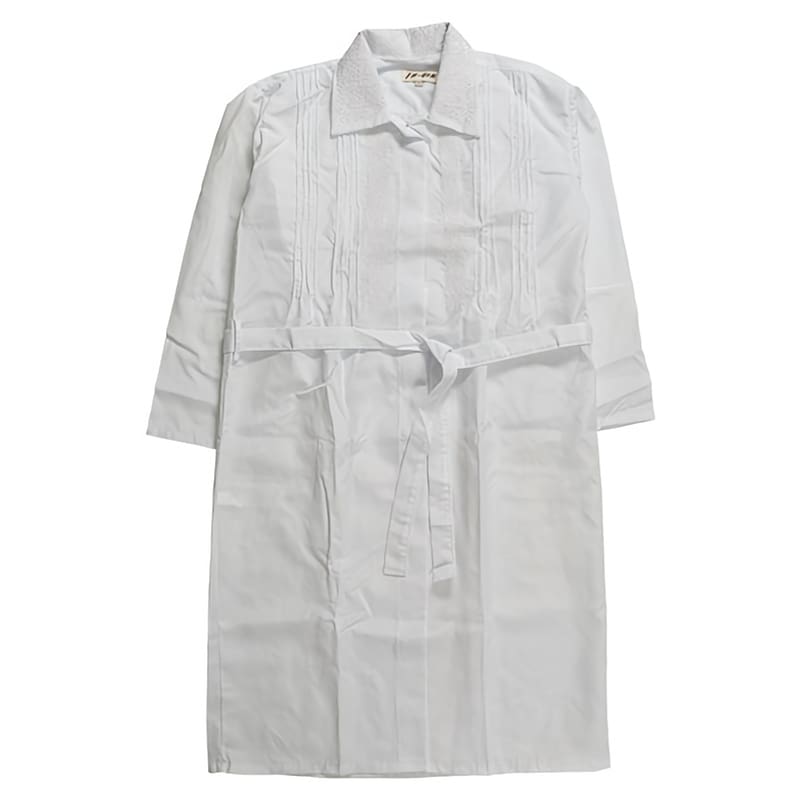
Price range: $64.00 through $66.00
Select options This product has multiple variants. The options may be chosen on the product page
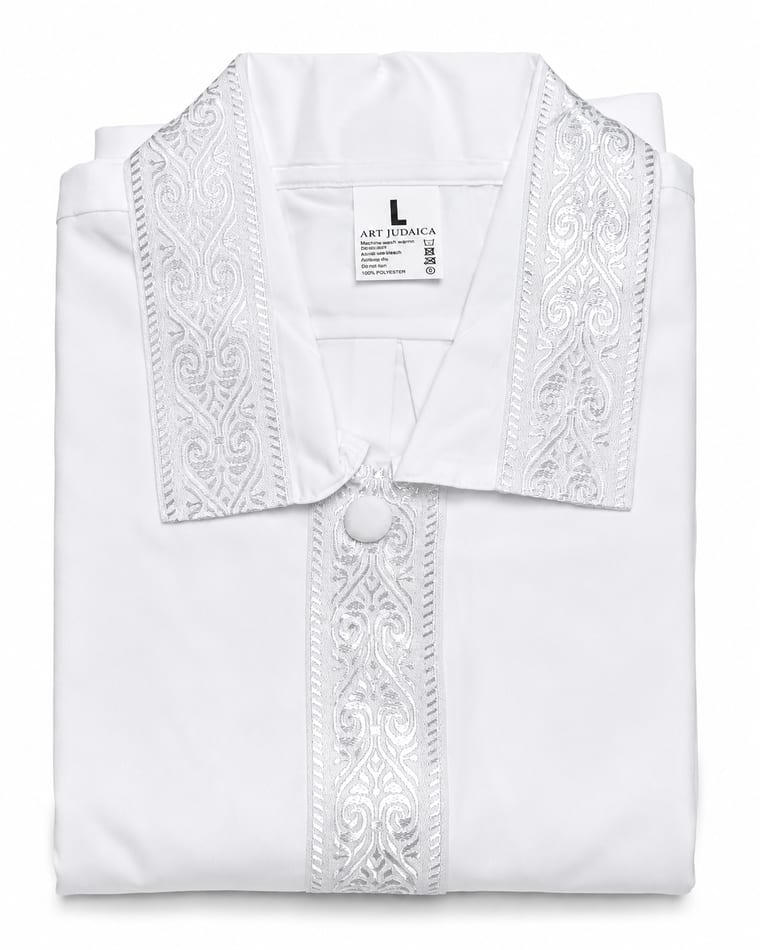
$48.00
Select options This product has multiple variants. The options may be chosen on the product page
Price range: $48.00 through $52.00
Select options This product has multiple variants. The options may be chosen on the product page

Traditional Kittels for Jewish Life Cycle Events and Sacred Occasions

The Kittel occupies a unique place within Jewish tradition. Worn on some of the most significant occasions in Jewish life, it serves as a garment of dignity, humility, purity, and spiritual reflection. Across generations of Ashkenazic, Hasidic, and many contemporary Orthodox communities, the Kittel has become closely associated with Yom Kippur, the Passover Seder, weddings, and other moments of profound religious significance.

At SeferTorah.Net, our Kittels collection reflects the diversity of customs and preferences found throughout the Jewish world. Whether you are seeking a traditional Kittel Mehudar, an elegant Pleated Kittel, a refined Lace Kittel, a distinguished Royal Kittel, or an XL Embroidered Kittel, each garment is selected with an appreciation for both tradition and practical use.

Understanding the Significance of the Kittel

The white color of the Kittel carries deep symbolic meaning. It is commonly associated with purity, repentance, and spiritual renewal. For many worshippers, wearing a Kittel on Yom Kippur creates a heightened awareness of the sanctity of the day and reinforces themes of humility before Hashem.

The garment is also traditionally worn by many grooms beneath the chuppah. In this setting, the Kittel reflects both simplicity and equality, reminding the bride and groom that marriage is founded upon spiritual values rather than material distinctions.

Styles and Community Traditions

While the essential purpose of the Kittel remains consistent, styles vary according to family tradition, community custom, and personal preference.

Kittel Mehudar garments are often chosen for their refined tailoring and traditional presentation. Lace Kittel designs incorporate decorative elements while preserving the dignity expected of a ceremonial garment. Pleated Elegant Kittels offer a structured appearance favored by many synagogue leaders and community members. Royal Kittel styles feature enhanced detailing for those seeking a more distinguished presentation, while XL Embroidered Kittels provide additional sizing options without compromising traditional aesthetics.

Many families continue to wear a Kittel passed down through generations, while others purchase a new garment for a wedding, Bar Mitzvah milestone, or significant stage of religious life.

Choosing the Right Kittel

When selecting a Kittel, considerations typically include sizing, embroidery preferences, fabric weight, intended occasion, and community custom. Some individuals prefer a simple traditional design, while others seek decorative embroidery that reflects family heritage or synagogue tradition.

Because Kittels are often worn for many years, durability, proper storage, and ease of care are important factors. A well-maintained Kittel can remain a meaningful part of family and communal life for decades.

Expert Guidance

If you are uncertain which Kittel best reflects your minhag, intended use, or personal preference, we are happy to help. Our goal is to assist individuals, families, and communities in finding garments that honor both Jewish tradition and the significance of the occasions on which they are worn.

Frequently Asked Questions

What is a Kittel?

A Kittel is a traditional white Jewish garment worn for specific religious occasions, including Yom Kippur, the Passover Seder, and weddings in many Ashkenazic and Hasidic communities.

Why is a Kittel white?

The white color symbolizes purity, humility, repentance, and spiritual renewal, themes that are central to many occasions on which the garment is worn.

Who typically wears a Kittel?

Kittels are commonly worn by married men on Yom Kippur, by grooms beneath the chuppah, and by participants in various communal and religious ceremonies according to local custom.

What is the difference between a Kittel Mehudar and other styles?

A Kittel Mehudar generally emphasizes refined craftsmanship, traditional presentation, and elevated attention to detail while remaining faithful to established customs.

Can a Kittel be embroidered?

Yes. Many Kittels include decorative embroidery, particularly XL Embroidered Kittels and certain Royal Kittel styles, while maintaining the garment’s traditional character.

How should a Kittel be stored?

A Kittel should be stored in a clean, dry location and protected from prolonged exposure to moisture or discoloration. Proper care helps preserve its appearance for many years of use.