A Mezuzah case serves a practical purpose, but within Jewish life it also reflects kavod hamitzvah — the dignity and respect shown toward a sacred object. The klaf contained inside the Mezuzah case bears handwritten pesukim from the Torah, written by a qualified sofer STa”M according to precise halachic requirements. While the mitzvah itself is fulfilled through the kosher parchment and not through the external cover, generations of Jewish communities have sought to house Mezuzot in cases worthy of the holiness they contain.
At SeferTorah.Net, our Mezuzah Cases collection includes a broad range of materials and styles suited to contemporary homes, traditional interiors, synagogues, schools, offices, and institutional settings. From sterling silver and Jerusalem stone to modern acrylic and hand-painted ceramic, each material offers different practical and aesthetic considerations.
The primary role of the Mezuzah case is to protect the klaf from environmental exposure and physical damage. Moisture, direct sunlight, humidity, temperature fluctuations, and impact can all compromise the condition of a Mezuzah parchment over time. A properly fitted case helps shield the parchment while allowing the Mezuzah to remain securely affixed according to halachic practice.
The case itself does not determine whether a Mezuzah is kosher — that status depends entirely upon the handwritten klaf inside it, including the quality of the writing, the preparation lishmah, and the ongoing kosher condition of the parchment. Nevertheless, selecting a respectful and durable housing for the Mezuzah scroll has long been understood as part of hidur mitzvah, the beautification of a commandment.
Different Jewish communities and households often favor different Mezuzah case styles depending on minhag, climate, architectural setting, and personal preference.
Silver Mezuzah cases remain among the most traditional and widely treasured styles. Frequently chosen for formal interiors, wedding gifts, synagogue dedications, and family heirlooms, silver cases carry a sense of permanence and dignity associated with classic Judaica craftsmanship. Hammered finishes, filigree work, Jerusalem motifs, and engraved Hebrew lettering are especially common within Ashkenazic and Sephardic decorative traditions alike.
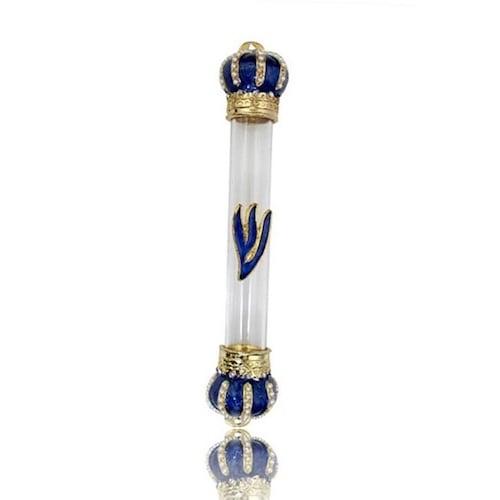
Glass Mezuzah cases allow the klaf or inner parchment holder to remain partially visible while presenting a clean and contemporary appearance. Many observant households appreciate the balance between modern aesthetics and traditional function. Glass requires careful placement, particularly on exterior doorposts or high-traffic entrances where impact resistance may become a concern.
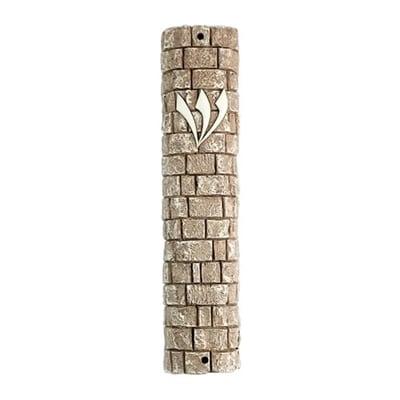
Stone and ceramic Mezuzah cases reflect longstanding connections between Jewish life, craftsmanship, and the materials of Eretz Yisrael. Jerusalem stone styles are particularly associated with Israeli architectural traditions and synagogue settings. Ceramic cases often feature hand-painted artwork, Hebrew calligraphy, or motifs connected to the Shiv’at HaMinim and other traditional Jewish symbolism.
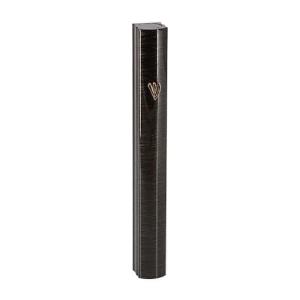
Metal Mezuzah cases are often selected for durability, especially for schools, institutional use, offices, and exterior placements. Acrylic and plastic cases provide practical weather resistance and straightforward maintenance, making them common choices for dormitories, children’s rooms, and high-humidity environments.
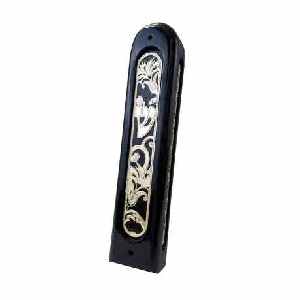
Wood Mezuzah cases offer a warmer, traditional appearance and are frequently crafted from olive wood or other natural materials associated with the Land of Israel. Variations in grain, carving, and finish give each piece its own character while preserving the understated dignity many families prefer for everyday use.
Selecting an appropriate Mezuzah case involves more than decorative preference alone. Buyers should consider whether the Mezuzah will be mounted indoors or outdoors, exposure to moisture or direct sun, the dimensions of the klaf, mounting style, and the overall durability required for long-term use. In many climates, exterior Mezuzot benefit from cases specifically designed for weather resistance and secure closure.
It is equally important to ensure that the parchment remains accessible for periodic bedikah by a qualified sofer. Most halachic authorities recommend checking Mezuzot twice in seven years to confirm the ongoing kosher condition of the klaf, particularly in environments exposed to heat, humidity, or changing weather conditions.
The kosher status of a Mezuzah depends entirely on the handwritten klaf inside the case. The parchment must be written lishmah by a qualified sofer STa”M according to halachic requirements.
No specific material is required by Halacha. Silver, wood, ceramic, glass, acrylic, and metal Mezuzah cases are all commonly used provided the klaf remains properly protected.
Yes. Outdoor Mezuzah cases generally require stronger weather resistance to protect the klaf from moisture, humidity, sunlight, and temperature fluctuations. In particular, they are usually made of one seamless piece of waterproof material and have a sealing cork or screw at the bottom to prevent moisture from coming in.
Many authorities recommend periodic bedikah of Mezuzot by a qualified sofer, commonly twice every seven years, or sooner if environmental exposure is a concern.
Silver Mezuzah cases have long been associated with hidur mitzvah and traditional Judaica craftsmanship. They are especially popular for weddings, synagogue dedications, and family gifts. However, today there are many other beautiful and dignified choices available.
Yes. Cracked or poorly sealed cases may expose the klaf to insects, moisture, sunlight, or physical damage, potentially compromising its long-term kosher condition.
Glass cases may be used outdoors in some settings, but care should be taken in high-traffic or exposed areas where impact resistance and weather protection are important considerations.
No account yet?
Create an Account