


New vs Used Torah Scrolls: Which Should You Buy?

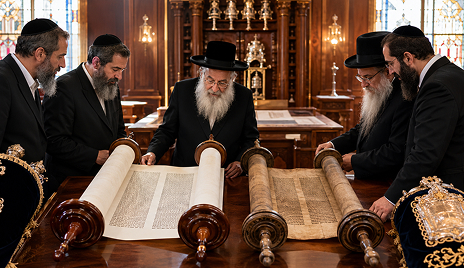
Choosing a Sefer Torah Is More Than a Financial Decision
Few acquisitions in Jewish life carry the same spiritual significance as obtaining a Sefer Torah. Whether the Torah is commissioned for a synagogue, dedicated in memory of a loved one, presented for a Bar Mitzvah, or donated to a Jewish school, it becomes the spiritual heart of the community for generations.
One of the first questions many buyers ask is “New vs Used Torah Scrolls : Should we purchase a new Torah Scroll or a used one?” While budget is naturally an important consideration, the decision extends far beyond cost. Halachic standards, the condition of the scroll, its provenance, the quality of the writing, and the long-term needs of the community all deserve careful evaluation.
In many situations, both new and used Torah Scrolls can fulfill an important role. However, understanding the advantages, limitations, and long-term implications of each option allows buyers to make a decision that reflects both practical wisdom and hidur mitzvah—the aspiration to fulfill a mitzvah in the most beautiful and honorable manner.
This guide explains the key differences between new and used Torah Scrolls, helping synagogues, organizations, and private buyers determine which choice best suits their needs.
Understanding What Makes a Torah Scroll Kosher
Before comparing new and used Torah Scrolls, it is essential to understand that every Sefer Torah must satisfy rigorous Halachic requirements.
Unlike printed books, a Torah Scroll is handwritten by a qualified Sofer STa”M on carefully prepared klaf using traditional materials and methods. Every letter must be written lishmah—with conscious intent for the sanctity of the Torah—and in accordance with centuries of established Jewish law.
The kosher status of a Torah Scroll depends on many factors, including:
- Accurate letter formation
- Proper spacing between letters and words
- Correct parchment preparation
- Approved ink
- Faithful adherence to the appropriate ksav tradition
- Ongoing inspection and maintenance throughout its lifetime
Even a single damaged or improperly formed letter may affect the scroll’s halachic status until corrected by an experienced sofer.
Because of these exacting standards, purchasing a Torah Scroll should never be viewed as simply buying an antique or ceremonial object. Rather, it is an investment in a sacred text that will be read publicly for decades, and in many cases, for generations.
What Is a New Torah Scroll?
A new Torah Scroll is commissioned from the beginning and handwritten specifically for its future owner or community by an experienced Sofer STa”M.
The writing process is both lengthy and meticulous. Every column, every line, and every letter is completed according to established Halachic requirements, often taking twelve months or longer depending on the project’s scope and level of craftsmanship.
Many communities choose to commission a new Torah because it allows them to participate in one of Judaism’s most meaningful mitzvot—the writing of a Sefer Torah. Throughout the process, congregations frequently organize educational programs, communal writing ceremonies, and dedication events that strengthen Jewish learning and communal identity.
A newly commissioned Torah also provides complete transparency regarding its history. Buyers know who wrote it, which ksav tradition was followed, the level of craftsmanship employed, and the standards used during every stage of production.
For synagogues planning to use a Torah Scroll for many decades, this continuity offers significant peace of mind.
What Is a Used Torah Scroll?
A used Torah Scroll is a previously owned Sefer Torah that has served another synagogue, congregation, institution, or private owner.
Many used Torah Scrolls remain fully kosher and continue to serve communities faithfully after undergoing professional inspection and, where necessary, careful restoration by qualified sofrim.
There are many reasons a Torah Scroll may become available:
- Synagogue mergers
- Community relocations
- Estate donations
- Congregational closures
- Collection transfers
- Upgrading to newly commissioned Torah Scrolls
A used Torah should never be evaluated solely by its age. Some older scrolls have been meticulously maintained and remain in exceptional condition, while relatively newer scrolls may require extensive repairs due to storage conditions, climate, or years of heavy use.
For this reason, a comprehensive bedikah performed by an experienced sofer is indispensable before any used Torah is purchased.
Comparing New and Used Torah Scrolls
Although both options may ultimately provide a kosher Sefer Torah, they differ in several important respects.
Provenance and Documentation
One of the greatest strengths of commissioning a new Torah Scroll is complete knowledge of its origin.
Buyers know:
- who the sofer is
- the script tradition employed
- the writing standards followed
- the materials used
- when the Torah was completed
With older Torah Scrolls, this information may be incomplete or unavailable. While some scrolls possess excellent documentation, others have changed hands several times over many decades, making their full history difficult to verify.
Understanding provenance is particularly valuable for institutions seeking consistency, future maintenance records, and confidence in long-term stewardship.
Long-Term Reliability
A newly written Torah naturally begins its life with fresh parchment, newly prepared ink, and carefully verified writing.
By contrast, an older Torah Scroll may require periodic restoration sooner depending on:
- age
- previous repairs
- environmental exposure
- storage conditions
- frequency of public reading
This does not diminish the value of a well-maintained used Torah. Many continue serving communities for decades. Nevertheless, buyers should understand that ongoing maintenance requirements often differ between newly commissioned and previously owned scrolls.
The Advantages of Commissioning a New Torah Scroll
While every kosher Sefer Torah deserves reverence, many rabbis, synagogue boards, and Torah committees ultimately choose to commission a new Torah Scroll because it provides confidence from the very beginning of the writing process.
A newly commissioned Torah offers several meaningful advantages.
Complete Halachic Transparency
From the preparation of the klaf to the final letter, every stage of production can be documented. The identity of the Sofer STa”M, the script tradition (Ksav Beis Yosef, Ksav Ari, or Ketav Sefaradi), and the standards of craftsmanship are all known before the Torah is completed.
This transparency is particularly valuable for synagogues that intend to use the Torah as a central part of communal life for many decades.
Participation in the Mitzvah
Commissioning a Torah allows a community to participate in one of Judaism’s most cherished mitzvot. Many congregations choose to involve members through dedication ceremonies, educational events, and the traditional opportunity to symbolically complete one of the final letters under the guidance of a qualified sofer.
These occasions often become defining milestones in the life of a synagogue, strengthening communal identity and creating lasting memories for future generations.
Long-Term Stewardship
Because the Torah begins its life under known conditions, future inspections and maintenance can be planned with greater confidence. Communities know exactly when the Torah was completed, who produced it, and how it has been cared for since its dedication.
When a Used Torah Scroll May Be the Right Choice
There are circumstances in which a carefully evaluated used Torah Scroll represents an appropriate and meaningful solution.
Smaller congregations, educational institutions, or communities with limited budgets may find that a professionally inspected and restored Torah enables them to fulfill an important communal need while remaining within financial constraints.
Some older Torah Scrolls also possess historical significance. A scroll that has served generations of Jewish communities may carry tremendous sentimental value, particularly when its provenance is well documented and its condition has been carefully maintained.
However, buyers should understand that every used Torah must be evaluated individually. Two scrolls of similar age may differ dramatically in writing quality, restoration history, and future maintenance requirements.
For this reason, no experienced Judaica professional recommends purchasing a used Torah based solely on photographs or price.
Important Questions Every Buyer Should Ask
Whether purchasing a new or previously owned Sefer Torah, informed buyers should seek clear answers to several essential questions.
- Who wrote the Torah, and what is the sofer’s background?
- Which ksav tradition does the scroll follow?
- Has the Torah undergone a recent bedikah by a qualified sofer?
- Have any significant repairs or restorations been performed?
- Are there records documenting previous inspections?
- Is the scroll appropriate for the minhag of your congregation?
- What future maintenance should be anticipated?
These questions help ensure that the decision is based on halachic integrity rather than appearance alone.
Why Many Synagogues Ultimately Choose a New Torah Scroll
Although both new and used Torah Scrolls have their place within Jewish communal life, many congregations ultimately decide that commissioning a new Torah provides the greatest long-term benefit.
A newly written Torah offers:
- Complete knowledge of its history and craftsmanship.
- Confidence that every stage of production followed established Halachic standards.
- The opportunity for congregational participation throughout the writing process.
- Reduced uncertainty regarding previous repairs or undocumented restoration.
- A lasting legacy that can serve future generations from its very first public reading.
For communities planning a Torah dedication, expanding their synagogue, or replacing an aging scroll, commissioning a new Sefer Torah often represents not only a practical investment but also a profound communal mitzvah.
Expert Guidance from SeferTorah.Net
Selecting a Sefer Torah should never be reduced to comparing prices alone. Every congregation has unique traditions, budget considerations, and halachic requirements that deserve thoughtful guidance.
At SeferTorah.Net, we work closely with synagogues, rabbis, schools, and Jewish organizations to help identify the Torah Scroll most appropriate for their community. Whether you are evaluating a restored Torah or commissioning a brand-new Sefer Torah, our team can explain the differences between script traditions, craftsmanship, inspection standards, and available options.
Many Torah Scrolls currently in production or available through our network are not always displayed online. If you are planning a Torah dedication or seeking guidance on your next Sefer Torah, we encourage you to contact us to discuss your community’s needs.
A carefully commissioned Torah is more than a sacred manuscript—it becomes a living legacy, carrying the words of the Torah from one generation to the next with dignity, authenticity, and enduring sanctity.
Frequently Asked Questions
1. Is it better to buy a new or used Torah Scroll?
The answer depends on your community’s needs, budget, and long-term goals. A professionally maintained used Torah Scroll can continue serving a congregation faithfully, provided it has undergone a thorough bedikah by a qualified Sofer STa”M. However, many synagogues choose to commission a new Torah Scroll because it offers complete transparency regarding its history, craftsmanship, and Halachic compliance while allowing the community to participate in the mitzvah of writing a Sefer Torah.
2. Are used Torah Scrolls still kosher?
Yes—many used Torah Scrolls remain fully kosher. Their status depends not on age, but on their condition. Before a used Sefer Torah is purchased, it should always be carefully inspected by an experienced sofer who can identify any damaged letters, worn parchment, or repairs that may affect its Halachic validity.
3. Why do synagogues commission new Torah Scrolls?
Commissioning a new Torah Scroll allows a congregation to know exactly who wrote the Torah, which ksav tradition was used, and how the scroll was produced. It also creates opportunities for Torah dedication ceremonies, educational events, and communal participation that become lasting milestones in synagogue life.
4. How long can a Torah Scroll last?
A well-written Sefer Torah can remain in use for many generations when properly maintained. Regular inspections, appropriate storage, and timely repairs by qualified sofrim help preserve both its physical condition and Halachic integrity for decades.
5. What should be checked before purchasing a used Torah Scroll?
Buyers should request documentation regarding the Torah’s history, recent bedikah, previous restorations, and the script tradition in which it was written. A professional evaluation by a trusted sofer is essential to determine the scroll’s current condition and any future maintenance requirements.
6. Which Torah Scroll is best for a new synagogue?
For newly established congregations, commissioning a new Torah Scroll is often the preferred option. It provides complete confidence in the Torah’s provenance, enables the community to participate in the writing process, and creates a meaningful spiritual legacy from the synagogue’s earliest years.
7. Can an older Torah Scroll be restored?
In many cases, yes. Experienced Sofer STa”M professionals can repair damaged letters, restore faded writing, replace worn stitching, and address other issues while preserving the Torah’s Halachic status. The extent of restoration depends on the overall condition of the scroll.
8. Which script tradition should I choose?
The appropriate ksav generally follows your community’s minhag. Ashkenazic congregations commonly use Ksav Beis Yosef, many Chabad and Hasidic communities prefer Ksav Ari, while Sephardic communities typically use Ketav Sefaradi. If you are uncertain, consult your Rav or seek expert guidance before commissioning a Torah Scroll.
9. Does SeferTorah.Net help buyers choose the right Torah Scroll?
Yes. SeferTorah.Net works with synagogues, schools, organizations, and private buyers to explain the differences between new and used Torah Scrolls, script traditions, craftsmanship, and Halachic considerations. Our team can help you identify the Sefer Torah best suited to your congregation, traditions, and long-term needs.
Conclusion
Choosing between a new and used Torah Scroll is ultimately a decision that combines Halachic responsibility, communal vision, and thoughtful stewardship. While a carefully inspected used Torah may serve certain communities well, commissioning a new Sefer Torah offers unparalleled transparency, known provenance, and the opportunity to fulfill one of Judaism’s most cherished mitzvot from its very beginning.
For many synagogues, schools, and Jewish organizations, a newly commissioned Torah becomes more than a sacred manuscript—it becomes a living legacy that accompanies generations through Shabbat, Yom Tov, Bar Mitzvah celebrations, weddings, and countless moments of communal prayer and learning.
If you are considering acquiring a Sefer Torah, the experienced team at SeferTorah.Net is available to provide knowledgeable guidance on script traditions, Halachic standards, craftsmanship, and commissioning options. Whether you are beginning a Torah project or seeking expert advice, we are committed to helping you find a Torah Scroll that reflects the dignity, sanctity, and enduring beauty of this extraordinary mitzvah.